

Basketball Legends Gather as Hall of Fame Welcomes Class of 2026
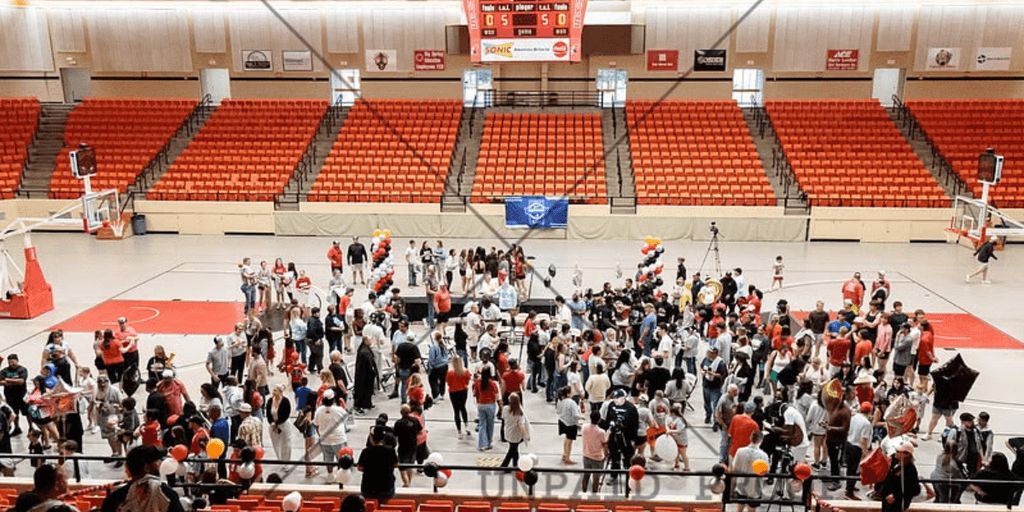
Basketball figures from several generations gathered in Springfield, Massachusetts, as the Naismith Basketball Hall of Fame formally welcomed its 2026 class during a ceremony celebrating some of the sport’s most influential players, coaches and contributors.
The ceremony brought together nine honorees representing different eras and areas of basketball, including Candace Parker, Elena Delle Donne, Chamique Holdsclaw, Amar’e Stoudemire, Doc Rivers, Mark Few, Mike D’Antoni, referee Joey Crawford and the 1996 United States women’s national team.
The event was the culmination of an enshrinement weekend built around the history and cultural reach of basketball.
A Class Spanning Generations
The 2026 class reflects the way basketball has evolved across professional, collegiate and international competition.
Parker and Delle Donne represent major chapters in women’s basketball, while Stoudemire and Rivers are associated with influential periods of the NBA. The 1996 U.S. women’s national team represents a landmark generation in American basketball history.
The class also recognizes figures whose influence extended beyond playing careers.
Crawford was inducted for his work as a referee, while D’Antoni entered the Hall as a contributor and Rivers and Few were honored for their coaching careers.
The range of backgrounds demonstrates that basketball history is not defined only by scoring records or championships. Officials, coaches, contributors and national teams also shape how the sport develops.
Springfield's Place in Basketball History
The ceremony took place in Springfield, the city recognized as the birthplace of basketball.
The location gives the Hall of Fame ceremony a significance beyond a traditional awards event. The institution functions as both a museum and a historical archive, preserving artifacts, achievements and stories connected to the sport.
The enshrinement weekend included public programs, autograph events, youth activities and presentations before the formal ceremony at Symphony Hall.
Young players also participated in a Jr. NBA and Jr. WNBA clinic, connecting the celebration of basketball history with the development of future players.
That combination reflects the Hall of Fame's role as a cultural institution rather than simply an awards organization.
Women's Basketball Takes a Prominent Place
The class also highlights the growing historical importance of women's basketball.
Parker, Delle Donne and Holdsclaw were inducted individually, while the 1996 U.S. women's national team entered as a group. The team was part of a generation that helped establish the international strength and visibility of American women's basketball.
The presence of multiple women's basketball honorees gives the class a particular historical dimension.
The Hall's presenters also reflected that history. More than 50 Hall of Famers were expected to attend, while previously inducted legends were selected to present members of the new class.
For younger audiences, the event provided a direct connection between past and present generations of the sport.
More Than an Awards Ceremony
Hall of Fame inductions often function as cultural milestones because they preserve stories that might otherwise become separated from the people who experienced them.
The 2026 ceremony brought together players, coaches, officials and a national team whose careers span decades.
The gathering also illustrated how professional sports can serve as a historical record. The careers represented in the class reflect changes in women's athletics, coaching, officiating and the professional basketball landscape.
That historical context gives the event relevance beyond fans following individual careers.
A New Chapter in Basketball History
The induction of the 2026 class adds another group of names to one of basketball's most important historical institutions.
The ceremony recognized individual achievement while also emphasizing the collective development of the sport.
For Springfield, the event reinforced the city's identity as the birthplace of basketball. For the wider basketball community, it provided an opportunity to recognize a generation whose careers helped shape the game.
The 2026 class ultimately represents more than a collection of successful careers. It reflects the expanding definition of basketball history, where players, coaches, officials, contributors and national teams all have a place in the story of the sport.

Good Morning US Contributor
Covers health, consumer technology, and entertainment, tracking the stories driving the daily conversation.
This article features partner, contributor, or branded content from a third party. Members of the Good Morning US editorial staff were not involved in the creation of this content. All views and opinions are those of the contributor alone.
You May Also Like

Castaways Bistro Enters a New Chapter in Punta Cana

When Technology Fails Care: Why Behavioral Health Can No Longer Treat IT as an Afterthought

Christian Clothing Co. Makes Faith Wearable

Lee A. Patterson: The Hope Dealer

Why Our Competitors Field Has Fewer Entries Than Yours