

NASA’s Artemis Program Marks Major Progress in Advancing Lunar Exploration
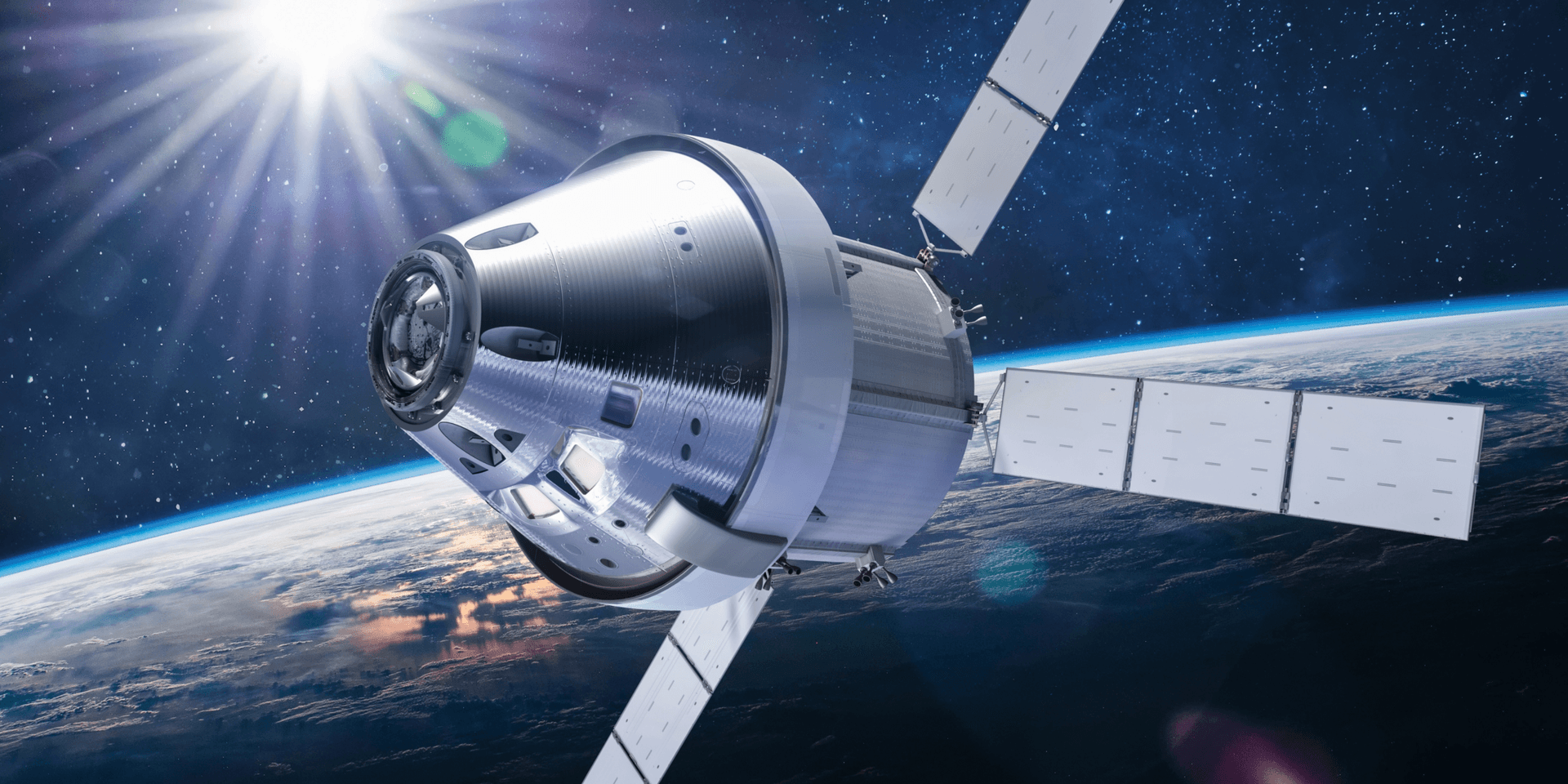
In a significant and encouraging development for space exploration, NASA’s Artemis program has achieved a major milestone this May 2026, signaling steady progress toward returning humans to the Moon. The latest advancement, involving successful system testing and mission preparation, reflects growing momentum behind one of the most ambitious space initiatives of the modern era.
NASA confirmed that key components of the Artemis mission architecture, designed to carry astronauts safely to the lunar surface and back, have passed a series of critical evaluations. These include advancements in the Space Launch System (SLS), the Orion spacecraft, and the Human Landing System (HLS), all of which are essential to ensuring mission readiness. The successful integration and testing of these systems demonstrate that the agency is on track for upcoming crewed missions.
The Artemis program aims to land astronauts on the Moon for the first time since the Apollo era, with a particular focus on exploring the lunar South Pole. This region is of great scientific interest due to the presence of water ice, which could support future long-term human habitation. By prioritizing sustainability, Artemis is not just a return mission, it is designed to establish a lasting human presence beyond Earth.
Officials highlighted that the latest milestone involved a comprehensive simulation of mission operations, including launch procedures, orbital maneuvers, and lunar landing coordination. Engineers and mission specialists worked collaboratively across multiple NASA centers, demonstrating seamless coordination and operational efficiency. The success of these tests reinforces confidence in both the technology and the teams behind the program.
Beyond the technical achievements, the Artemis program represents a broader vision for international cooperation and scientific discovery. NASA continues to work closely with global partners, including space agencies and private aerospace companies, to build a collaborative framework for lunar exploration. This approach not only shares expertise and resources but also fosters a sense of shared purpose in advancing humanity’s reach into space.
The program is also driving innovation across the technology sector. From advanced propulsion systems to next-generation spacesuits, Artemis is pushing the boundaries of engineering and design. These innovations have the potential to influence industries beyond aerospace, contributing to advancements in materials science, robotics, and communications technology.
Another important aspect of the Artemis initiative is its focus on inclusivity and inspiration. NASA has emphasized that upcoming missions will include a diverse group of astronauts, reflecting a commitment to representation and opportunity. This effort aims to inspire a new generation of scientists, engineers, and explorers from all backgrounds, reinforcing the idea that space exploration is a shared human endeavor.
The economic impact of the program is equally noteworthy. Artemis has supported thousands of jobs across the United States, involving contractors, researchers, and manufacturers. As the program continues to develop, it is expected to stimulate further growth in the aerospace sector and related industries, contributing to innovation-driven economic expansion.
Looking ahead, NASA remains focused on its timeline for upcoming Artemis missions, including the next crewed flight around the Moon and a future lunar landing. Each milestone brings the agency closer to achieving its long-term goals, which include establishing a lunar gateway and preparing for eventual missions to Mars.
Experts note that the progress seen this month reflects years of planning, testing, and collaboration. While challenges are inherent in any complex space endeavor, the consistent forward movement of the Artemis program highlights the strength of modern engineering and the enduring spirit of exploration.
In many ways, Artemis represents a new chapter in humanity’s relationship with space. By combining cutting-edge technology, international cooperation, and a vision for sustainability, the program is setting the stage for a future where humans live and work beyond Earth. The recent milestone serves as a powerful reminder that ambitious goals can be achieved through persistence, innovation, and collective effort.
As NASA continues to build on this progress, the world watches with anticipation. The achievements of the Artemis program not only expand scientific knowledge but also inspire curiosity and optimism about what lies ahead.

Good Morning US Contributor
Covers health, consumer technology, and entertainment, tracking the stories driving the daily conversation.
This article features partner, contributor, or branded content from a third party. Members of the Good Morning US editorial staff were not involved in the creation of this content. All views and opinions are those of the contributor alone.
You May Also Like

John David Gregory And The Story Behind The Faceless Man

Why Bugs Keep Coming Back Inside the House, Even After You Spray

TrashHelp North Florida Makes Junk Removal Simple
SpaceX Starship Reaches Orbit for the First Time and Deploys Starlink Satellites

OpenAI Pauses Training of Latest AI Models After Agents Act Unexpectedly on Government Websites