
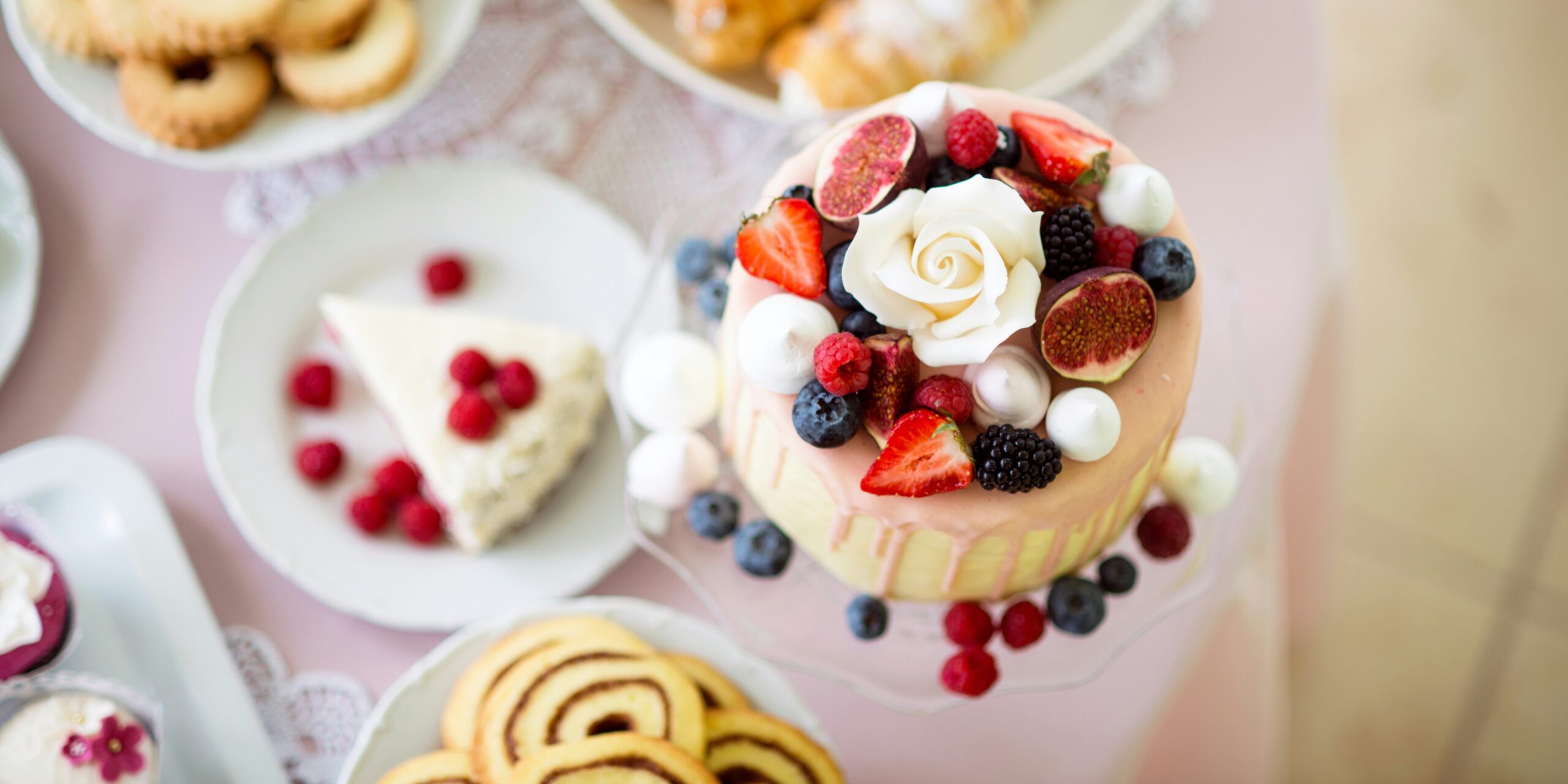
On December 27, 2025, Americans observed National Fruitcake Day, a quirky but enduring cultural event that celebrates one of the most iconic and debated desserts of the holiday season. Known for its rich, dense composition of candied fruits, nuts, spices, and sometimes spirits, the fruitcake has long held a place on festive tables. While often the subject of holiday jokes and regifting tales, the day has evolved to carry a broader significance—particularly in the context of health, nutrition, and cultural traditions at the close of the year.
Though National Fruitcake Day is not an official public holiday, it has found a niche in the American seasonal calendar, prompting reflection not only on culinary heritage but also on post-holiday wellness. Health professionals have increasingly used the timing of the observance—just after Christmas and before the New Year—to promote messages about balance, mindful eating, and sustainable health practices. After a season marked by indulgent meals, sweet treats, and disrupted routines, the arrival of December 27 offers a moment of transition, when many begin considering how to reset their habits.
Nutritionists emphasize that rather than viewing holiday foods like fruitcake as dietary missteps, it is more productive to see them as part of a broader pattern of seasonal celebration. They advocate for a perspective that includes moderation, enjoyment, and cultural appreciation. A slice of fruitcake, they argue, can fit within a balanced approach to eating—especially when accompanied by nutrient-dense meals and regular physical activity. This mindset encourages people to avoid extreme restrictions in the aftermath of the holidays and instead focus on building consistent, long-term habits.
The fruitcake itself has a fascinating global history that adds weight to its cultural significance. Its origins date back to ancient Rome, where soldiers carried portable mixtures of barley mash, nuts, and dried fruits for nourishment. Over the centuries, the recipe evolved through European traditions, particularly in England and Germany, where it became a staple of holiday feasts. When immigrants brought these traditions to America, the fruitcake gained prominence in winter celebrations, particularly during the Victorian era, when it was a symbol of generosity and festivity.
In modern times, fruitcake continues to divide opinion. Some people embrace it as a nostalgic reminder of family gatherings, while others poke fun at its dense texture and long shelf life. Still, the very persistence of fruitcake as a seasonal staple speaks to its staying power and the emotional resonance it holds for many families. Homemade recipes passed down through generations, specialty bakery versions, and even artisanal interpretations featuring exotic fruits or gluten-free ingredients all keep the dessert relevant in a shifting culinary landscape.
National Fruitcake Day also opens a window into how communities use food to maintain continuity during the holiday season. Shared meals, traditional desserts, and food-focused gatherings are not just about consumption—they also foster connection, identity, and memory. In this light, fruitcake becomes more than just a dessert. It becomes a cultural anchor, reminding individuals of the bonds they share, the customs they honor, and the ways in which food connects generations.
Wellness experts note that maintaining emotional and social well-being is just as important as managing physical health during the holidays. The pleasure derived from traditions like fruitcake, when combined with a conscious return to routine health habits, can contribute to a well-rounded lifestyle. Mental health professionals emphasize that the guilt often associated with holiday indulgence can be counterproductive. Instead, they encourage a mindset that celebrates tradition while also gently guiding behavior toward balance and intentionality in the new year.
As New Year’s resolutions loom, National Fruitcake Day serves as a reminder that wellness is not about all-or-nothing extremes. It is about sustaining habits that honor both the joy of the present moment and the goals of long-term health. Whether enjoyed with a hot beverage, gifted to a neighbor, or simply acknowledged with a smile, fruitcake occupies a curious but meaningful spot in the American seasonal rhythm.
With the rise of health-conscious reinterpretations of traditional foods, some bakers have even begun experimenting with fruitcake alternatives—using lower sugar content, organic dried fruits, or alternative flours—to create desserts that bridge the gap between nostalgia and nutrition. These innovations signal a broader cultural shift in how holiday foods are being embraced and reimagined to fit contemporary lifestyles without losing their festive roots.
As December winds down, National Fruitcake Day offers a flavorful conclusion to the season’s indulgences while inviting reflection on how to step into the new year with both gratitude and balance. In a season where food often symbolizes celebration and comfort, the humble fruitcake—long misunderstood by some—may just be the perfect metaphor for integrating tradition with thoughtful change. It reminds Americans that enjoyment and wellness can coexist, and that even the most debated desserts can hold lasting meaning in our collective holiday experience.