

Earth Day 2026 Highlights Nationwide Climate Action and Community Innovation Across the United States
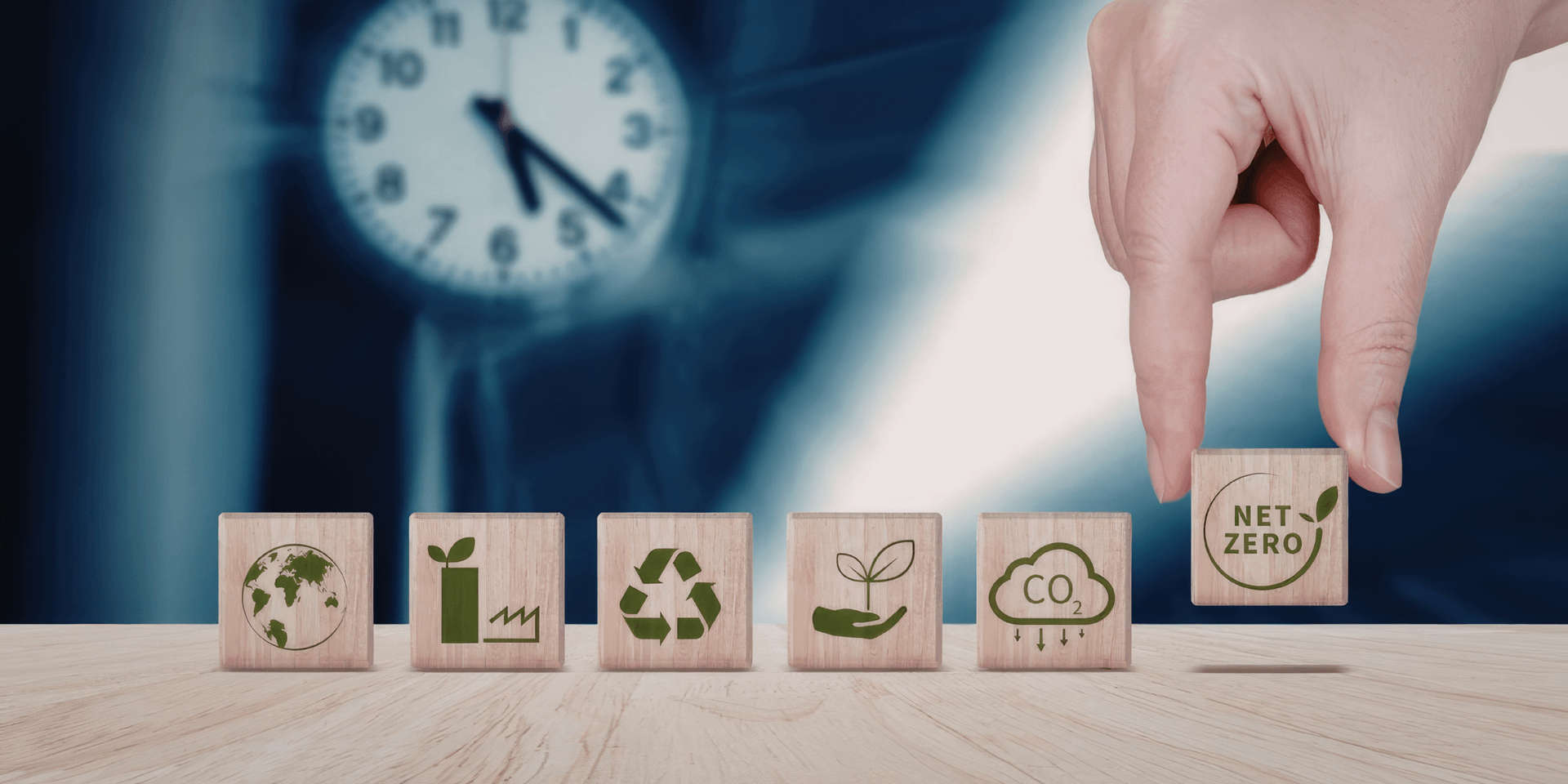
Millions of Americans marked Earth Day with a coordinated wave of environmental initiatives, community programs, and technological showcases aimed at addressing climate challenges and promoting sustainability. Now in its 56th year, the annual observance continues to evolve beyond symbolic participation, reflecting measurable progress in clean energy adoption, conservation strategies, and public engagement.
Across major cities including New York City, Los Angeles, and Chicago, local governments partnered with environmental organizations to host large-scale events focused on renewable energy, waste reduction, and urban resilience. These initiatives included public exhibitions, tree-planting campaigns, and educational workshops designed to encourage both individual and collective action.
One of the central themes of Earth Day 2026 was the acceleration of clean energy infrastructure. According to data from the U.S. Environmental Protection Agency, renewable energy capacity in the United States has continued to expand steadily, with solar and wind accounting for a growing share of electricity generation. Several states used the occasion to announce new milestones, including expanded solar grid projects and increased investments in battery storage technologies.
In Austin, a newly completed solar farm was unveiled as part of a broader initiative to transition municipal operations to 100% renewable energy by the end of the decade. Similarly, San Diego showcased advancements in offshore wind planning and community-based energy programs aimed at reducing reliance on fossil fuels.
Environmental conservation also played a key role in this year’s observance. The National Park Service reported increased participation in volunteer-led restoration projects across national parks. Activities ranged from habitat restoration and invasive species removal to trail maintenance and wildlife monitoring. These programs highlighted the importance of preserving biodiversity while fostering public stewardship of natural resources.
In addition to conservation, Earth Day 2026 emphasized technological innovation as a driver of environmental progress. Universities and research institutions collaborated with private sector partners to present emerging solutions in carbon capture, sustainable agriculture, and water management. At Massachusetts Institute of Technology, researchers demonstrated a new prototype for low-cost carbon capture systems designed for industrial applications, offering potential pathways to reduce greenhouse gas emissions at scale.
Public health and environmental equity were also prominent topics. The Centers for Disease Control and Prevention highlighted the link between environmental conditions and community health outcomes, noting that improved air quality and access to green spaces can significantly reduce health risks. Community organizations used Earth Day events to promote equitable access to clean resources, particularly in underserved neighborhoods disproportionately affected by pollution.
Education remained a cornerstone of Earth Day programming. Schools across the country integrated environmental science into their curricula, hosting interactive sessions and student-led projects focused on sustainability. The National Education Association reported increased participation in environmental education initiatives, reflecting growing awareness among younger generations about climate-related issues.
Corporate participation also expanded in 2026, with major companies announcing sustainability commitments and progress updates. Many organizations reported reductions in carbon emissions, increased use of recycled materials, and adoption of circular economy practices. While critics emphasize the need for continued accountability, these developments indicate a broader shift toward integrating environmental responsibility into business operations.
The significance of Earth Day 2026 lies in its demonstration of collective momentum. While challenges such as climate change, resource depletion, and environmental inequality persist, the coordinated actions observed across the United States suggest a growing alignment between policy, innovation, and public engagement.
Key takeaways from this year’s event include the accelerating transition to renewable energy, the importance of community-driven conservation efforts, and the role of technology in addressing environmental challenges. Additionally, the emphasis on education and equity underscores the need for inclusive approaches that ensure all communities benefit from environmental progress.
As Earth Day continues to evolve, its impact increasingly depends on sustained action beyond a single day of observance. The initiatives launched and highlighted in 2026 provide a roadmap for ongoing efforts, reinforcing the idea that environmental responsibility is both a shared obligation and an opportunity for innovation.

Good Morning US Contributor
Covers world affairs and science, connecting research and foreign policy to the readers they affect.
This article features partner, contributor, or branded content from a third party. Members of the Good Morning US editorial staff were not involved in the creation of this content. All views and opinions are those of the contributor alone.
You May Also Like

Lynita Mitchell-Blackwell Builds Legacy Peace

AI Safety Concerns Draw New Attention as Developers and Policymakers Debate Regulation

Bayan Health Puts the Human Connection Back Into Telehealth

OpenAI Says It Will Not Go Public in 2026 as AI Safety and Business Questions Continue

Anthropic Reports AI Safety Measures After Blocking Attempts to Misuse Its Models