

Global Heatwaves: A Wake-Up Call for U.S. Climate Policy
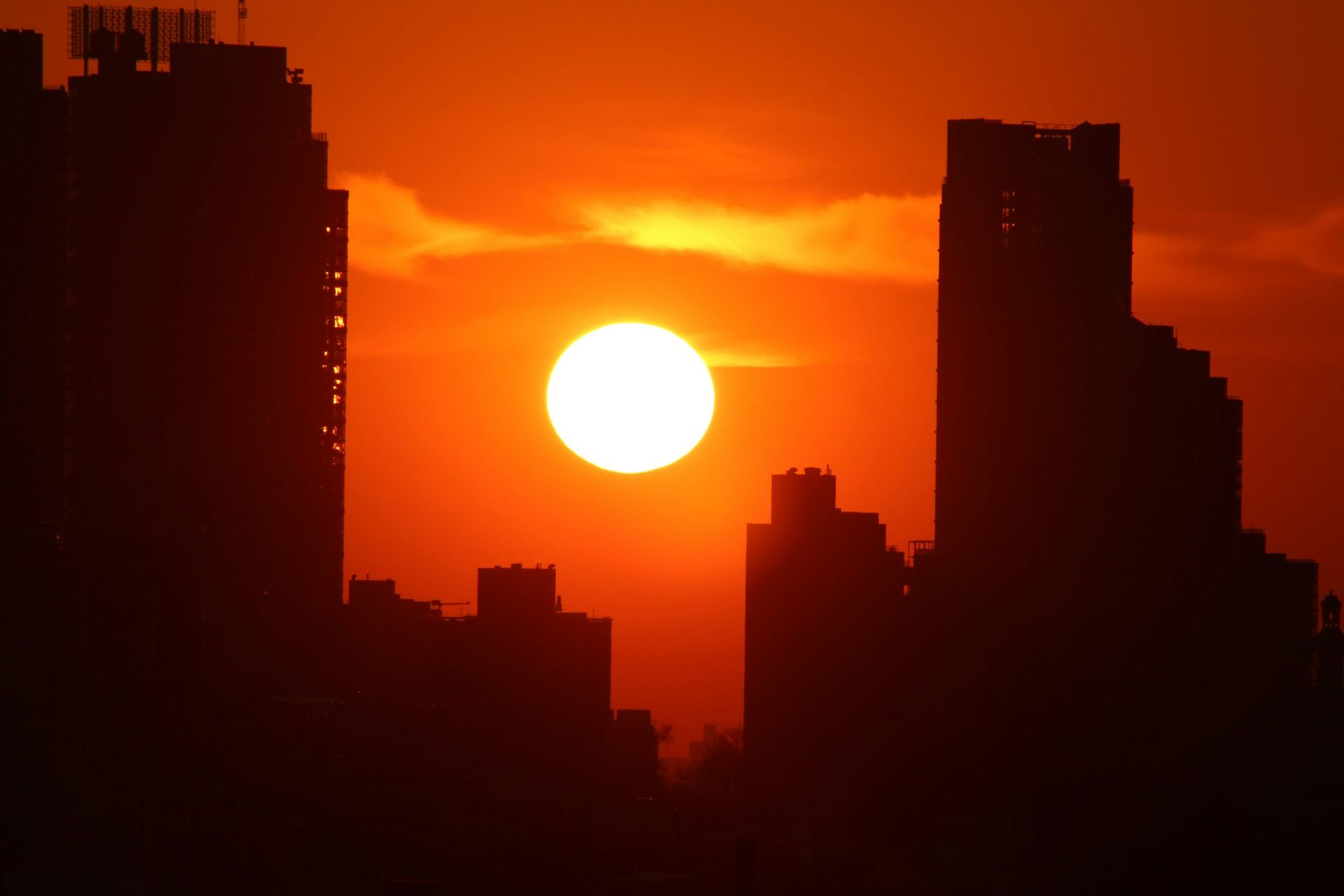
June 2023 saw record-breaking heatwaves across Europe, Asia, and North America, and the rising temperatures are not just a cause for alarm in those regions—they have significant implications for U.S. climate policy. The extreme weather events, which have led to hundreds of heat-related deaths and widespread power outages, highlight the urgent need for comprehensive climate action both domestically and globally.
In the U.S., the heatwaves are a reminder of the increasing intensity and frequency of extreme weather events due to climate change. In June 2023, cities like Phoenix and Las Vegas broke records for daily high temperatures, while parts of the East Coast faced prolonged heatwaves that disrupted transportation and power grids. For U.S. citizens, this meant increased health risks, especially for vulnerable populations, and an added strain on emergency services.
The U.S. government has made significant strides in addressing climate change through initiatives such as the Inflation Reduction Act, which includes funding for clean energy and electric vehicle incentives. However, the intensity of the summer heatwaves has underscored the need for further action to mitigate the effects of climate change. Experts are calling for a more aggressive approach to decarbonize the economy, enhance the country’s infrastructure resilience, and ensure equitable access to cooling resources for all Americans.
The economic impact of these heatwaves is also considerable, with the cost of energy skyrocketing as people turn to air conditioning to cope with the heat. The U.S. economy, already reeling from inflation, now faces the added burden of rising utility bills and the disruption of outdoor industries such as agriculture and tourism. Agriculture, in particular, is at risk, as extreme temperatures can damage crops and reduce yields, further exacerbating food price increases.
For American policymakers, the global heatwaves of June 2023 serve as a stark reminder that climate change is not a future problem—it’s a present crisis. The U.S. will likely face more frequent and severe heat events in the coming years, which could put more pressure on healthcare systems, energy infrastructure, and urban planning. It is clear that the U.S. must prioritize both mitigation and adaptation strategies to ensure its resilience in the face of a warming world.

Good Morning US Contributor
Covers world affairs and science, connecting research and foreign policy to the readers they affect.
This article features partner, contributor, or branded content from a third party. Members of the Good Morning US editorial staff were not involved in the creation of this content. All views and opinions are those of the contributor alone.
You May Also Like

Castaways Bistro Enters a New Chapter in Punta Cana

When Technology Fails Care: Why Behavioral Health Can No Longer Treat IT as an Afterthought

Christian Clothing Co. Makes Faith Wearable

Lee A. Patterson: The Hope Dealer

Why Our Competitors Field Has Fewer Entries Than Yours