

NASA’s Artemis II Rocket Moves to Launch Pad in Milestone for U.S. Space Program
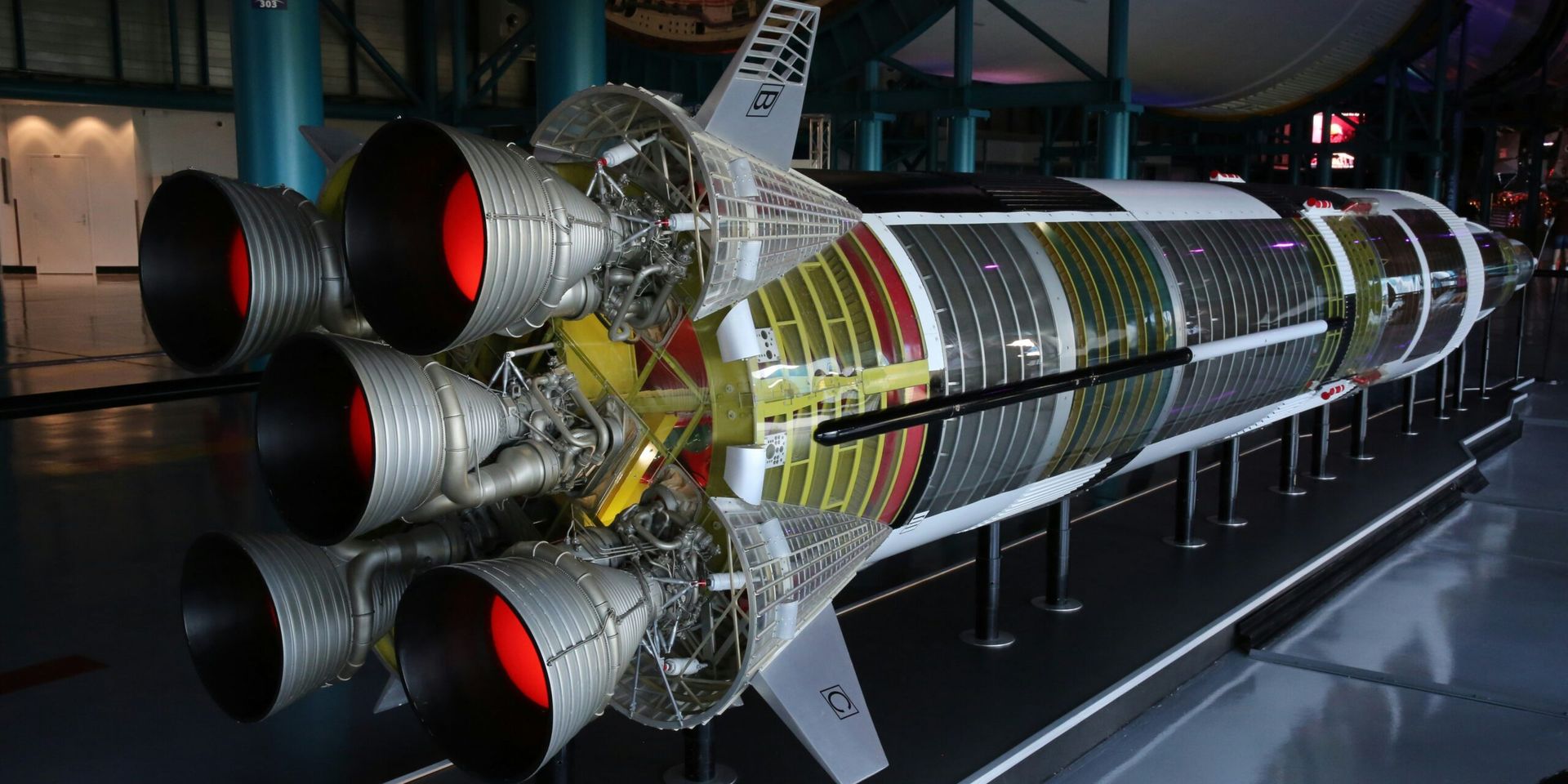
NASA achieved a significant milestone in the Artemis program as the Space Launch System (SLS) rocket, designed for the upcoming Artemis II mission, was transported to its launch pad at the Kennedy Space Center. This event marked a pivotal moment in the U.S. space program, signaling the next step toward returning astronauts to lunar orbit for the first time in over 50 years. The SLS rocket’s rollout from the Vehicle Assembly Building to the launch pad was a highly anticipated moment, drawing dozens of NASA employees and their families to witness the historic event. The sense of excitement and pride in the air reflected the long journey that NASA has undertaken to make this mission a reality.
The Artemis II mission, which is scheduled to launch no earlier than February 2026, will be the first crewed mission to fly around the Moon since the Apollo program. The mission will carry four astronauts — NASA veterans Reid Wiseman, Victor Glover, and Christina Koch, along with Canadian astronaut Jeremy Hansen. While this mission will not involve a lunar landing, it represents a crucial step in NASA’s broader strategy to return humans to the lunar surface later in the decade. By sending a crew around the Moon, Artemis II will serve as a test flight for both the spacecraft systems and the rocket that will be used for future missions.
This mission is a major component of NASA’s Artemis program, which aims to establish a sustainable human presence on the Moon and use it as a stepping stone for future missions to Mars. The Artemis program’s ultimate goal is to return astronauts to the Moon, where they will explore new regions and conduct scientific research, all while preparing for the long-duration missions required to travel further into space. The data gathered from Artemis II will be invaluable for future crewed missions, especially the Artemis III mission, which is set to land astronauts on the Moon’s surface. With Artemis II, NASA will gather critical information about the performance of the Orion spacecraft, which is designed to carry astronauts on their deep-space journeys.
The Artemis II mission is particularly significant because it marks the first time since Apollo 17 in 1972 that astronauts will fly beyond low Earth orbit. For more than five decades, humanity has not sent astronauts into deep space, making the Artemis II flight a momentous occasion not only for NASA but for the entire world. The success of this mission will pave the way for future exploration of the Moon, Mars, and potentially even beyond. The Artemis program is not just about revisiting the Moon; it is about establishing a foundation for sustained human exploration of the solar system, and Artemis II is a vital part of that journey.
The SLS rocket, which will propel the Orion spacecraft on its lunar fly-around mission, is the most powerful rocket ever built by NASA. It is designed to carry heavier payloads into deep space and is a critical part of the Artemis program’s infrastructure. The successful rollout of the SLS rocket to the launch pad is a testament to the work of thousands of engineers, scientists, and technicians who have spent years developing the technology required to make this moment possible. The SLS is built to withstand the demands of deep-space missions, and its successful launch will demonstrate NASA’s ability to send humans on complex and challenging missions to distant destinations.
The international collaboration involved in Artemis II is also notable. Canadian astronaut Jeremy Hansen’s participation in the mission highlights the growing role of international partnerships in space exploration. As part of the Artemis program, NASA has partnered with space agencies around the world to share expertise, resources, and knowledge. This collaboration is crucial as humanity looks to tackle the challenges of deep-space exploration. The partnership between NASA and the Canadian Space Agency (CSA) demonstrates how global cooperation is essential for achieving the ambitious goals of the Artemis program and for establishing a permanent human presence on the Moon and beyond.
The excitement surrounding Artemis II extends beyond the technical achievements. The mission is symbolic of humanity’s enduring desire to explore the unknown and push the boundaries of what is possible. It reflects the same spirit of curiosity and determination that drove the Apollo missions more than half a century ago. The journey to the Moon is about more than just reaching a physical destination — it is about inspiring people around the world to believe in the power of science, technology, and international collaboration.
As the countdown to Artemis II continues, the world will be watching closely, eager to witness a new chapter in the history of space exploration. The successful launch of the SLS rocket will serve as a stepping stone toward the next phase of the Artemis program, which will ultimately take humanity back to the Moon, with plans for further missions to Mars. The Artemis II mission is not just a technical achievement but a statement of human ambition and a testament to the spirit of exploration that continues to drive NASA’s mission. The movement of the rocket to the launch pad is just the beginning of an exciting new era in space exploration, one that promises to inspire generations to come.
Read Also: https://goodmorningus.com/nasa-launches-antarctic-balloon-mission-to-advance-dark-matter-research/

Good Morning US Contributor
Covers world affairs and science, connecting research and foreign policy to the readers they affect.
This article features partner, contributor, or branded content from a third party. Members of the Good Morning US editorial staff were not involved in the creation of this content. All views and opinions are those of the contributor alone.
You May Also Like

Castaways Bistro Enters a New Chapter in Punta Cana

When Technology Fails Care: Why Behavioral Health Can No Longer Treat IT as an Afterthought

Christian Clothing Co. Makes Faith Wearable

Lee A. Patterson: The Hope Dealer

Why Our Competitors Field Has Fewer Entries Than Yours