

NIH BRAIN Initiative Conference Brings Neuroscience Research Into Focus
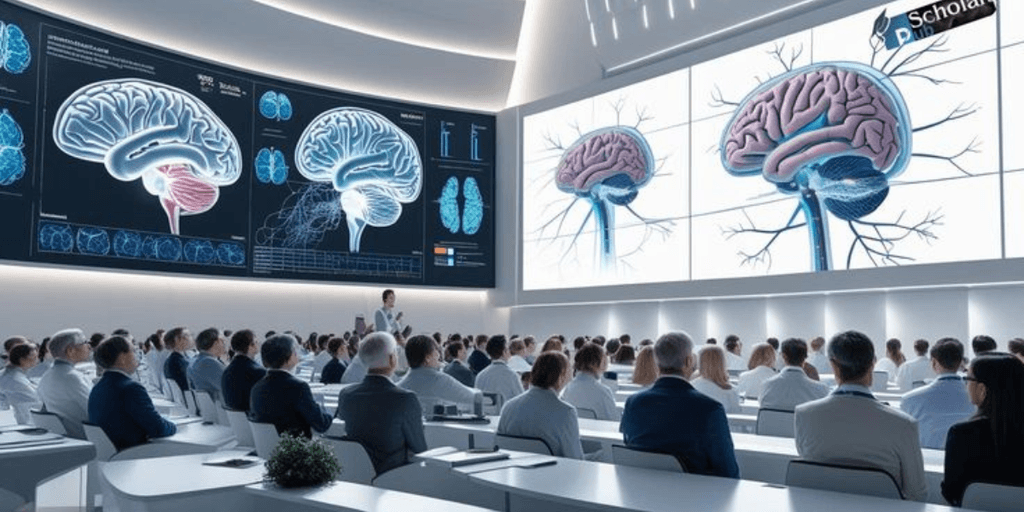
Scientists, researchers and leaders in neuroscience gathered in Maryland as the National Institutes of Health's BRAIN Initiative opened its latest major conference focused on technologies and research aimed at improving understanding of the human brain.
The conference brought together researchers funded through the BRAIN Initiative, federal and nonprofit partners, scientific leaders and other participants to discuss emerging developments in neuroscience and technology.
The event provided a national forum for researchers working across disciplines that increasingly connect biology, computing, engineering and medicine.
A National Forum for Brain Research
The BRAIN Initiative, formally known as the Brain Research Through Advancing Innovative Neurotechnologies Initiative, was created to accelerate the development of tools and approaches for studying the brain.
The conference focused on the future of BRAIN-funded science and innovation. Organizers described the gathering as an opportunity to discuss scientific developments, research priorities and technology-driven approaches to neuroscience.
The event's significance comes from the scale and complexity of modern brain research. Understanding how billions of interconnected neurons produce behavior, memory and other functions requires researchers to combine information from multiple scientific fields.
Technology Is Central to the Research
One of the major themes of the conference was the role of technology in expanding the ability to study the brain.
Conference research areas included brain tools and technologies, the relationship between cells and behavior, connectivity across scales and secondary analysis and reuse of research data.
These areas reflect the increasingly technical nature of neuroscience. Researchers now use advanced imaging, molecular techniques, computational analysis and other technologies to examine biological systems at different levels.
The ability to collect and analyze large quantities of information has also created new opportunities for researchers to study connections that were previously difficult to observe.
NeuroAI Enters the Conversation
The conference program also included discussion of BRAIN NeuroAI, reflecting growing interest in the intersection between neuroscience and artificial intelligence.
The subject involves more than simply applying artificial intelligence to medical research. Researchers are also studying how computational methods can help analyze complex biological information and potentially provide new ways of understanding brain function.
Other planned discussions included the BRAIN Knowledgebase, precision molecular circuit therapies and efforts to accelerate human neuroscience.
The range of subjects demonstrates how neuroscience increasingly depends on collaboration among researchers with different technical backgrounds.
From Research to Future Applications
Much of the significance of the BRAIN Initiative lies in its emphasis on developing research capabilities rather than promising immediate medical products.
Better tools for observing and understanding the brain can eventually contribute to research into neurological and psychiatric conditions, but the conference itself was primarily focused on advancing scientific knowledge and research infrastructure.
That distinction is important because scientific progress often develops over years through repeated experimentation, data collection and validation.
The conference provides researchers with an opportunity to share results, compare approaches and identify areas where collaboration could accelerate progress.
Why Brain Research Matters
The brain remains one of the most complex systems studied by science. Researchers continue to face major questions about how neural circuits operate, how information is processed and how changes in brain function relate to disease.
The BRAIN Initiative's conference therefore serves as a snapshot of where the field is directing attention and resources.
By bringing together researchers, government partners and scientific organizations, the gathering helps connect individual projects with broader research priorities. It also gives early-career scientists opportunities to engage with established researchers and institutions.
The conference ultimately highlighted a central feature of modern neuroscience: progress increasingly depends on combining biological knowledge with sophisticated technology, data analysis and collaboration. The work discussed in Maryland represents ongoing research rather than finished answers, but it demonstrates the scale of the scientific effort devoted to understanding the human brain.

Good Morning US Contributor
Covers world affairs and science, connecting research and foreign policy to the readers they affect.
This article features partner, contributor, or branded content from a third party. Members of the Good Morning US editorial staff were not involved in the creation of this content. All views and opinions are those of the contributor alone.
You May Also Like

Castaways Bistro Enters a New Chapter in Punta Cana

When Technology Fails Care: Why Behavioral Health Can No Longer Treat IT as an Afterthought

Christian Clothing Co. Makes Faith Wearable

Lee A. Patterson: The Hope Dealer

Why Our Competitors Field Has Fewer Entries Than Yours