

Scientists Identify Brain Cells Linked to Depression: A Step Toward Targeted Treatments
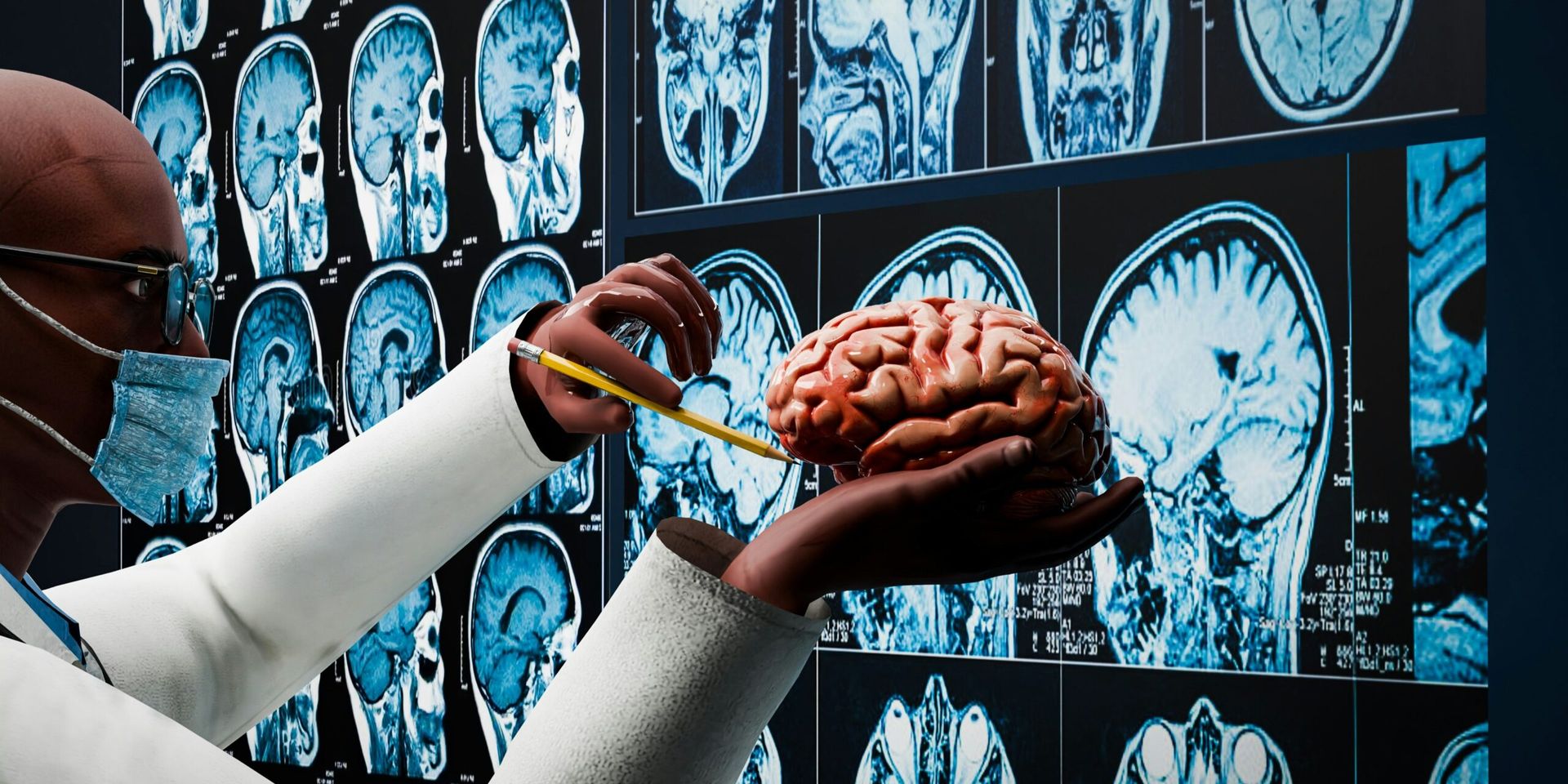
A groundbreaking study has revealed significant new insights into the biological mechanisms behind depression, identifying two types of brain cells—neurons and microglia—that are altered in individuals suffering from the condition. This research, conducted through genomic mapping of post-mortem brain tissue, provides a clearer picture of the molecular changes that occur in the brains of those with depression. The findings offer new hope for the development of more targeted and effective treatments for this complex mental health disorder.
The study focused on examining gene activity in the brain, specifically looking for patterns of genetic expression that could explain the mood regulation and inflammatory processes that are often disrupted in depression. Neurons, the cells responsible for transmitting signals throughout the brain, and microglia, the brain’s immune cells, were found to have notable differences in gene activity compared to those in individuals without depression.
In the case of neurons, the study revealed that certain genes involved in mood regulation were underactive, which could explain why those suffering from depression often experience persistent feelings of sadness, hopelessness, and emotional instability. These findings suggest that enhancing the activity of these specific genes may help improve mood and alleviate depressive symptoms.
Microglia, on the other hand, were found to have heightened gene activity related to inflammation. This increase in inflammatory processes has long been associated with depression, as inflammation in the brain can disrupt normal brain function and contribute to the emotional and cognitive symptoms that characterize the disorder. The discovery that microglia play such a prominent role in depression opens the door for treatments aimed at reducing brain inflammation, potentially offering a new avenue for addressing the root causes of the disorder.
This study marks a significant step forward in understanding the biological underpinnings of depression, a condition that affects millions of people worldwide. By pinpointing the specific brain cells and genetic changes involved, researchers are now in a better position to develop targeted therapies that address these issues directly. For years, treatments for depression, such as antidepressant medications, have been based on broad approaches, often with mixed results. The ability to focus on specific brain cells and molecular pathways could lead to more effective and personalized treatments in the future.
The implications of this study are vast, not only for understanding depression but also for potentially improving the treatment of other mood disorders and neuroinflammatory conditions. As research continues to unravel the complexities of brain function and mental health, these findings bring us one step closer to more precise and individualized interventions for those living with depression.
This breakthrough emphasizes the importance of continued research into the brain’s biology, as it is clear that advances in our understanding of gene activity and brain cell function will be key to revolutionizing the way we approach mental health treatment in the years to come.

Good Morning US Contributor
Covers world affairs and science, connecting research and foreign policy to the readers they affect.
This article features partner, contributor, or branded content from a third party. Members of the Good Morning US editorial staff were not involved in the creation of this content. All views and opinions are those of the contributor alone.
You May Also Like

When Technology Fails Care: Why Behavioral Health Can No Longer Treat IT as an Afterthought

Christian Clothing Co. Makes Faith Wearable

Lee A. Patterson: The Hope Dealer

Why Our Competitors Field Has Fewer Entries Than Yours

John David Gregory And The Story Behind The Faceless Man