

SpaceX Crew-13 Reaches International Space Station in Record Time
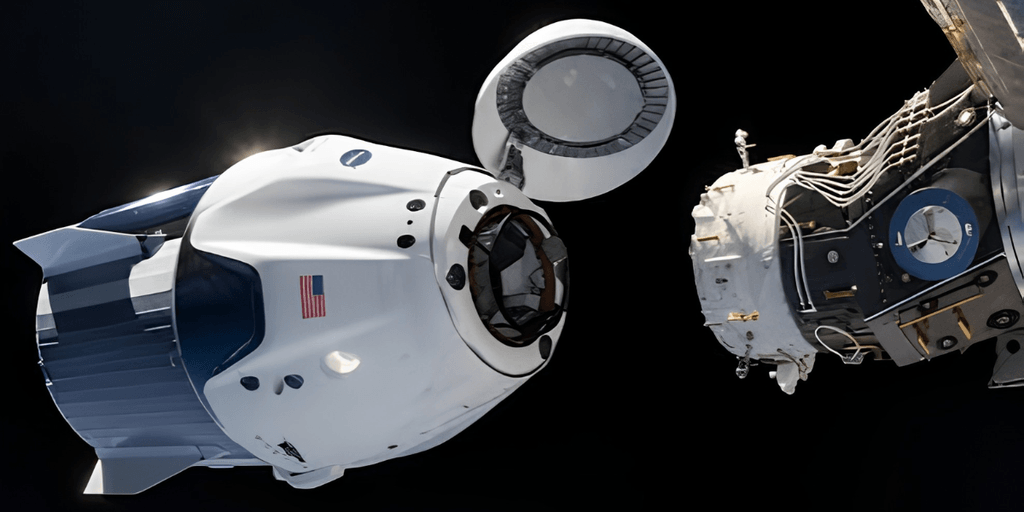
SpaceX Crew-13 reaches the International Space Station in record time, highlighting advances in commercial human spaceflight operations.
A four-person astronaut crew aboard SpaceX's Crew-13 mission reached the International Space Station in record time, marking another milestone in the increasingly rapid pace of human spaceflight operations. The mission demonstrated the growing role of commercial spacecraft in transporting astronauts to and from the orbiting laboratory.
The Crew-13 mission involved four astronauts traveling aboard a SpaceX spacecraft bound for the International Space Station. According to Reuters, the crew completed its journey in record time, highlighting the operational efficiency that has developed through repeated crewed missions using SpaceX's transportation system.
Rapid travel to the space station is significant because crewed missions require extensive coordination between spacecraft systems, ground controllers and the station itself. Every mission involves carefully planned launch, orbital operations, rendezvous procedures and docking activities.
The International Space Station operates in low Earth orbit and serves as a long-running research platform where astronauts conduct experiments in microgravity. The station also provides an environment for testing equipment and procedures that could support future human exploration beyond low Earth orbit.
The increasing regularity of commercial crew missions represents a major shift in the structure of human spaceflight. For decades, government space agencies operated the primary systems used to transport astronauts. Commercial partnerships have increasingly introduced private spacecraft into that role, with NASA and other agencies relying on commercial providers for transportation services.
SpaceX's Crew Dragon has become a central component of that system. Repeated flights have allowed engineers and mission teams to accumulate operational experience, helping establish more routine transportation between Earth and the space station.
The record travel time of Crew-13 is therefore notable not simply as a single performance milestone but as part of a broader trend toward more mature commercial space operations. As spacecraft and mission procedures become more established, the ability to conduct regular crew rotations becomes increasingly important for maintaining the station's research activities.
The mission also illustrates the importance of reliability in human spaceflight. Unlike cargo missions, crewed spacecraft must provide life-support systems, emergency capabilities and multiple layers of operational redundancy. Shorter travel times can reduce the duration astronauts spend in transit, although mission planning must always prioritize safety and system performance.
The continued use of the International Space Station also provides a bridge between current orbital activity and future exploration. Research conducted aboard the station contributes to knowledge about how humans and equipment function in space, while operational experience helps agencies and commercial companies prepare for more ambitious missions.
The growth of commercial crew transportation is also connected to the future of low Earth orbit. Governments and private companies are increasingly considering commercial space stations and other forms of orbital infrastructure. Regular crew transportation will be an essential part of any such ecosystem.
For ordinary readers, the Crew-13 milestone provides a visible example of how spaceflight is changing. Missions that once represented extraordinary national projects are increasingly becoming part of a recurring transportation system involving government agencies and commercial aerospace companies.
The record journey also underscores how much experience has accumulated since commercial crew flights began carrying astronauts to the International Space Station. Each successful mission provides additional operational data and experience that can influence future spacecraft design and mission planning.
Crew-13's arrival therefore represents more than another crew rotation. It is another step in the development of a spaceflight system in which commercial spacecraft are becoming an established means of transporting people into orbit.

Good Morning US Contributor
Covers world affairs and science, connecting research and foreign policy to the readers they affect.
This article features partner, contributor, or branded content from a third party. Members of the Good Morning US editorial staff were not involved in the creation of this content. All views and opinions are those of the contributor alone.
You May Also Like

Money Is Not Your Problem. Your Pattern Is.

Are Kids' Shoes Hurting Growing Feet? Zebs Says Yes

Castaways Bistro Enters a New Chapter in Punta Cana

When Technology Fails Care: Why Behavioral Health Can No Longer Treat IT as an Afterthought

Christian Clothing Co. Makes Faith Wearable