

James Webb Telescope Captures Unprecedented Image of Distant Galaxy Cluster Forming in the Early Universe
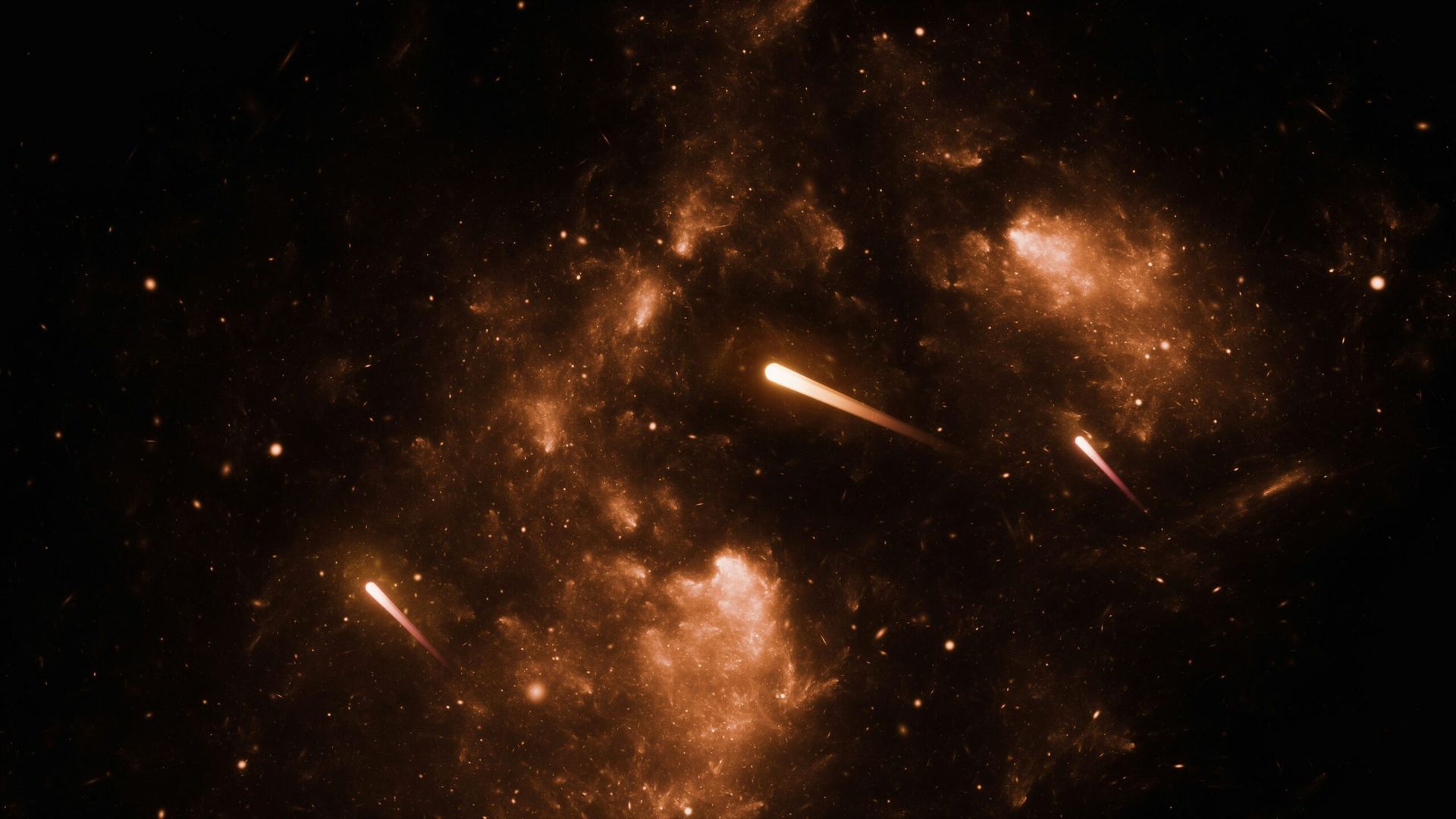
On December 19, 2024, NASA released breathtaking images captured by the James Webb Space Telescope (JWST) revealing a distant galaxy cluster forming just 1 billion years after the Big Bang. Located approximately 12.8 billion light-years from Earth, this cluster—designated JWST-GC24—provides astronomers with an extraordinary glimpse into the early stages of cosmic structure formation.
The discovery was made during JWST’s deep field observation campaign, utilizing its Near Infrared Camera (NIRCam) and Mid-Infrared Instrument (MIRI) to penetrate cosmic dust and unveil faint, nascent galaxies. The data reveal dozens of galaxies gravitationally bound, undergoing rapid star formation and merging processes.
Dr. Amir Khan, astrophysicist at the Space Telescope Science Institute and lead researcher, stated, “JWST-GC24 is a window into the universe’s youth, showing us how galaxy clusters—the largest structures in the cosmos—began assembling shortly after the first stars ignited.”
This cluster’s detailed study helps refine models of dark matter distribution and galaxy evolution. Observations indicate intense interaction among galaxies, likely driving accelerated star formation and black hole activity.
The public response to the image release was immediate and enthusiastic, with stunning visuals captivating audiences worldwide. The release has spurred renewed interest in astronomy and space science education, highlighting JWST’s transformative role in our understanding of the cosmos.
Commercially, JWST’s success boosts the space science sector, encouraging investment in advanced telescopes and space technologies. The findings also influence future mission planning, including next-generation observatories targeting even earlier cosmic epochs.
Behind the scenes, this discovery involved international collaboration across NASA, ESA, and CSA, showcasing decades of joint effort in telescope design, data analysis, and theoretical modeling.
Looking ahead, continued observations of JWST-GC24 and similar structures will deepen insights into the universe’s infancy, dark matter’s role, and the processes shaping galaxies. JWST’s ongoing mission promises many more revelations, continuing humanity’s journey to comprehend the vast cosmic tapestry.

Good Morning US Contributor
Covers world affairs and science, connecting research and foreign policy to the readers they affect.
This article features partner, contributor, or branded content from a third party. Members of the Good Morning US editorial staff were not involved in the creation of this content. All views and opinions are those of the contributor alone.
You May Also Like

Beyond Hormones: What Science Is Revealing About Botanicals and Women's Midlife Health

Troy Allen Is Building a Psychedelic Business Around Trust

Turning Your Life Savings Into a Retirement Plan

Water Guys Reveals The Hidden Costs Of Hard Water For Homeowners In Eastern Washington And North Idaho

Scientists and Technology Companies Commit $1.8 Billion to AI-Based Biology Research