

Major Study Finds Specially Bred Mosquitoes Could Help Reduce Dengue Transmission
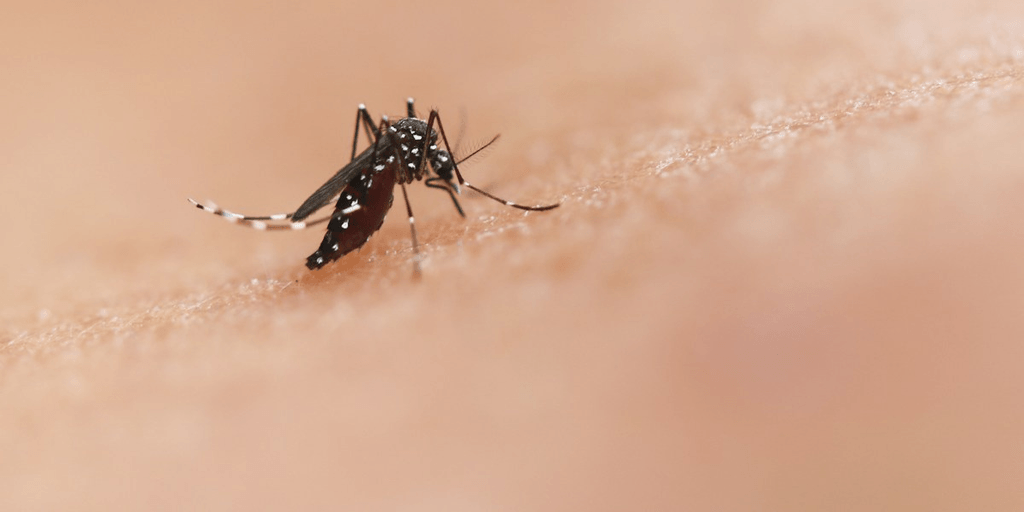
An international study involving more than 5,700 children found strong evidence that Wolbachia-infected mosquitoes can reduce the risk of dengue infection.
Research Provides New Evidence Against Mosquito-Borne Diseases
A major international research study published on November 21, 2026, provided new evidence that specially bred mosquitoes carrying Wolbachia bacteria can help reduce the transmission of dengue and other mosquito-borne viral infections.
The research examined more than 5,700 children living in Brazilian communities where mosquito-control programs had introduced mosquitoes carrying the naturally occurring Wolbachia bacteria.
Researchers found that children living in areas with the modified mosquito populations were substantially less likely to develop dengue and certain other infections than children in comparison communities.
The findings represent an important development in efforts to control mosquito-borne diseases, particularly in tropical regions where dengue remains a recurring public health challenge.
The research also demonstrates how biological approaches to disease prevention may complement established mosquito-control methods.
Understanding the Wolbachia Approach
Wolbachia is a naturally occurring bacterium found in many insect species.
Researchers have developed methods to introduce the bacterium into Aedes aegypti mosquitoes, the species primarily responsible for transmitting dengue, Zika and chikungunya viruses.
The presence of Wolbachia can interfere with the ability of these mosquitoes to transmit certain viruses.
Unlike approaches that rely exclusively on eliminating mosquito populations, the method aims to establish Wolbachia-carrying mosquitoes within local populations.
Over time, the bacterium can spread through mosquito generations, helping reduce the proportion of mosquitoes capable of transmitting targeted viruses.
The approach has attracted international research interest because it can provide a sustained biological intervention without requiring continuous chemical insecticide applications at the same intensity.
Findings From Brazilian Communities
The Brazilian research examined children living in communities where Wolbachia-based mosquito interventions had been introduced.
The study compared infection outcomes across populations exposed to different levels of Wolbachia prevalence.
Researchers reported that children living in communities with the specially bred mosquitoes experienced substantially lower infection risks.
The findings included reductions in dengue infection and evidence of protection against chikungunya.
The research is particularly relevant because Brazil has experienced significant dengue transmission, placing pressure on public health systems and local disease-prevention programs.
Children represent an important population for evaluating mosquito-borne disease interventions because they are frequently exposed to mosquito habitats around homes, schools and community environments.
The study's size also provides a broader evidence base for assessing the potential effectiveness of Wolbachia-based interventions outside smaller experimental settings.
Why Dengue Prevention Matters
Dengue is a mosquito-borne viral infection that can cause fever, headaches, muscle and joint pain, nausea and other symptoms.
Severe cases can result in serious complications requiring hospital treatment.
The disease is transmitted primarily through infected Aedes aegypti mosquitoes, which commonly live near human settlements and breed in containers holding standing water.
Traditional prevention efforts include removing breeding sites, using mosquito repellents, applying insecticides and monitoring disease outbreaks.
However, these measures can be difficult to maintain consistently across densely populated communities.
The Wolbachia approach offers another method that focuses on reducing the ability of mosquitoes to transmit viruses.
Researchers have increasingly examined whether this strategy can provide long-term community protection.
Implications for International Public Health
The Brazilian findings have significance beyond the communities included in the study.
Dengue affects populations across Latin America, Asia, Africa and other tropical and subtropical regions.
Countries with high mosquito exposure and substantial urban populations face continuing challenges involving disease surveillance and prevention.
Biological mosquito-control programs could become useful components of broader public health strategies, particularly when combined with environmental management and community participation.
However, the results should not be interpreted as eliminating the need for established prevention measures.
Public health authorities must continue monitoring mosquito populations, disease transmission and the effectiveness of interventions.
Implementation also requires careful planning, including community engagement and evaluation of local ecological conditions.
Research Continues to Shape Disease Prevention
The study adds to a growing body of scientific evidence examining Wolbachia as a potential tool against mosquito-borne infections.
Its findings provide additional support for expanding research and carefully evaluated public health programs.
The approach also illustrates how microbiology and environmental science can contribute to practical disease-prevention strategies.
Researchers must continue examining how well the method performs across different climates, population densities and mosquito environments.
Further investigation will also help establish the durability of protection and the extent to which results can be reproduced in different regions.
For communities affected by dengue, the findings represent an important scientific development.
The research demonstrates that modifying the biological characteristics of disease-carrying mosquitoes may provide another way to reduce infection risks and strengthen existing public health efforts.
Although mosquito-control programs remain essential, the study offers encouraging evidence that biological interventions can contribute to a broader and more sustainable approach to preventing mosquito-borne disease.

Good Morning US Contributor
Covers world affairs and science, connecting research and foreign policy to the readers they affect.
This article features partner, contributor, or branded content from a third party. Members of the Good Morning US editorial staff were not involved in the creation of this content. All views and opinions are those of the contributor alone.
You May Also Like

Yianni's Gyros: Award-Winning Greek in Central PA

How to Make a Free Weekly Chore Chart That Fits Your Family

Anthropic Begins Nasdaq Trading in Landmark Artificial Intelligence Industry Public Offering

Asch Roofing Helps New Jersey Families Protect More Than Just Their Homes

The AI Keynote Speaker Latin American Companies Book in Their Own Language